
Understanding Anxiety vs. Normal Stress: When to Seek Help
Understanding the difference between normal stress and anxiety can help people recognize when additional support may be helpful.
Stress is a normal part of life.
Most people experience stress during busy seasons, major life transitions, work pressures, relationship challenges, parenting demands, or unexpected circumstances. In many cases, stress is temporary and connected to a specific situation.
But sometimes what we’re experiencing goes beyond everyday stress.
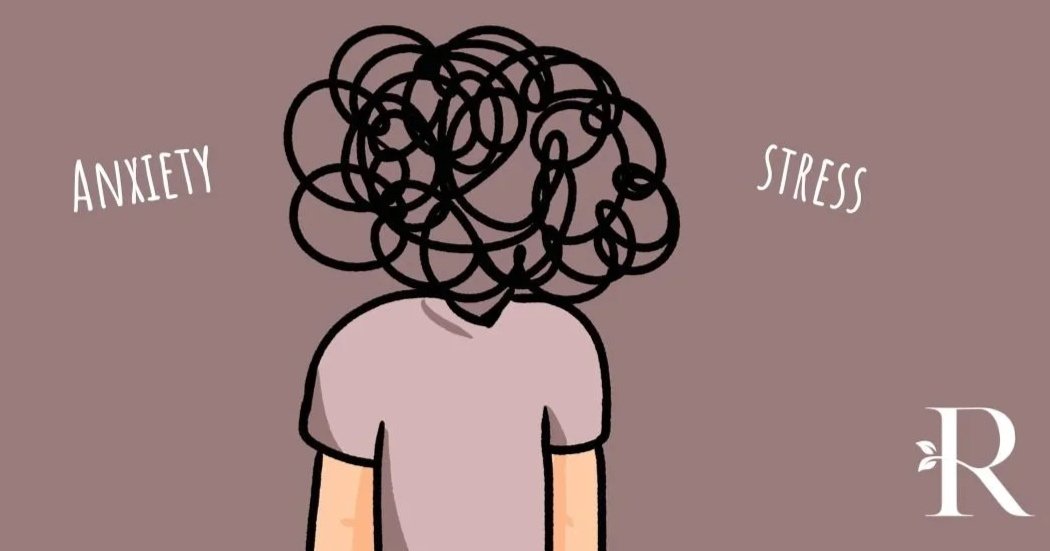
Anxiety can quietly become part of daily life without us fully recognizing how much it’s affecting our thoughts, emotions, physical health, and overall sense of well-being.
Understanding the difference between normal stress and anxiety can help people recognize when additional support may be helpful.
What Is Normal Stress?
Stress is often the body’s response to pressure or challenge. It can feel uncomfortable, but it usually has a clear cause and tends to ease once the situation improves or resolves. You might notice stress showing up as feeling overwhelmed, mentally exhausted, emotionally reactive, or physically tense during demanding periods of life. While difficult, stress is generally temporary and manageable.
When Stress Starts to Feel Like Anxiety
Anxiety is often more persistent.
Rather than coming and going with a specific situation, anxiety can create an ongoing sense of worry, tension, or unease, even during moments that appear calm from the outside.
Many people experiencing anxiety describe feeling constantly “on,” overthinking conversations or situations, struggling to relax, expecting worst-case scenarios, or feeling emotionally drained from carrying so much internally.
Anxiety can also affect the body. Difficulty sleeping, racing thoughts, muscle tension, digestive discomfort, restlessness, and feeling unable to slow down fully are all common experiences.
Over time, many people begin to normalize these feelings, telling themselves they are simply “busy,” “high functioning,” or “just stressed,” without realizing how much energy it takes to operate in a constant state of survival mode.
When Will Therapy Help?
One of the biggest misconceptions about therapy is that you need to be in crisis before reaching out for support. The reality is that therapy can be beneficial long before things feel unmanageable.
Therapy may help when stress feels constant, anxiety begins affecting daily life, emotional exhaustion becomes difficult to recover from, or you notice you no longer feel like yourself.
It can also provide space to understand patterns better, process emotions, improve coping strategies, and reconnect with a greater sense of balance and self-awareness.
A trauma-informed approach to therapy recognizes that our experiences, relationships, environments, and nervous systems all shape how we respond to stress and anxiety. Therapy is not about “fixing” you, but about creating a safe space to better understand yourself and build skills in a way that feels sustainable and compassionate.
You Don’t Have to Wait Until Things Get Worse
Many people wait until they feel completely overwhelmed before considering therapy. But support does not need to be earned through crisis.
Sometimes therapy begins because life feels heavy. Sometimes it begins because someone is tired of carrying everything alone. And sometimes it begins simply because a person wants to feel more grounded, connected, and supported.
All of those reasons are valid.
How Resilient Roots Counselling Can Help
If stress or anxiety has started to feel overwhelming, therapy can offer a space to slow down, feel supported, and better understand what you’re carrying.
At Resilient Roots Counselling, the approach is compassionate, trauma-informed, and centered around creating a safe environment where clients feel heard without judgment.
Whether you’re navigating chronic stress, anxiety, burnout, emotional overwhelm, life transitions, or simply feeling disconnected from yourself, therapy can help you build greater awareness, healthier coping strategies, and a stronger sense of balance moving forward.
You do not need to wait until things become unmanageable to deserve support.

How Therapy Can Help with Chronic Stress or Burnout
Chronic stress and burnout are increasingly common experiences, particularly among individuals balancing work, parenting, caregiving, education, or ongoing life demands. Many people continue to function outwardly while feeling internally depleted.
Burnout does not always present as a dramatic collapse. It often shows up gradually, as persistent fatigue, irritability, reduced motivation, difficulty concentrating, sleep disruption, or a sense of emotional numbness.
Chronic stress and burnout are increasingly common experiences, particularly among individuals balancing work, parenting, caregiving, education, or ongoing life demands. Many people continue to function outwardly while feeling internally depleted.
Burnout does not always present as a dramatic collapse. It often shows up gradually, as persistent fatigue, irritability, reduced motivation, difficulty concentrating, sleep disruption, or a sense of emotional numbness. Over time, chronic stress can affect both physical and emotional health.
Understanding Chronic Stress
When stress becomes constant, the nervous system remains in a prolonged state of activation. The body releases stress hormones such as cortisol and adrenaline to help manage short-term demands. However, when these stress responses remain elevated for extended periods, individuals may begin to feel wired but exhausted, overwhelmed yet unable to slow down.
Chronic stress can impact:
Sleep patterns
Mood regulation
Immune function
Digestive health
Memory and concentration
Interpersonal relationships
Burnout, in particular, is often characterized by emotional exhaustion, detachment, and a diminished sense of personal effectiveness.
How Therapy Supports Burnout Recovery
Therapy provides a structured and supportive space to understand what is contributing to ongoing stress and how it is affecting your nervous system, relationships, and overall well-being.
At Resilient Roots Counselling, evidence-based approaches are integrated to support individuals experiencing chronic stress or burnout.
These may include:
Cognitive Behavioural Therapy (CBT): CBT helps identify thought patterns that contribute to overcommitment, perfectionism, or self-criticism. By shifting unhelpful cognitive patterns, individuals can begin to reduce internal pressure and increase flexibility.
Acceptance and Commitment Therapy (ACT): ACT supports individuals in reconnecting with personal values while developing psychological flexibility. This can be especially helpful when individuals feel disconnected or overwhelmed by competing responsibilities.
Dialectical Behavioural Therapy (DBT) Skills: DBT-informed skills may be used to strengthen emotional regulation, distress tolerance, and interpersonal effectiveness — particularly when stress impacts relationships.
Motivational Interviewing (MI): For individuals feeling stuck, MI can support exploring ambivalence around change and building readiness to implement sustainable adjustments.
Accelerated Resolution Therapy (ART): In cases where burnout is compounded by unresolved trauma or chronic stress responses, ART may be integrated to help regulate the nervous system and reduce stored emotional intensity.
Rebuilding Capacity
Recovery from burnout is not about eliminating responsibility. It is about rebuilding emotional and physical capacity in a sustainable way.
Therapy may focus on:
Developing realistic boundaries
Evaluating workload and expectations
Strengthening self-compassion
Regulating the stress response
Improving sleep and restoration practices
Clarifying priorities
Most importantly, therapy provides space to slow down. Many individuals experiencing burnout have been prioritizing external demands for a prolonged period. The therapeutic space allows for recalibration.
You Don’t Need to Wait
You do not need to reach a crisis point to seek support. If stress feels constant, if rest does not restore you, or if you notice a growing sense of detachment or exhaustion, it may be helpful to speak with a professional.
Resilient Roots Counselling is currently accepting new clients in Calgary, offering both in-person and virtual sessions.
If you’re considering beginning therapy or would like to learn more, please reach out through the website.