


Depression: Myths, Facts, and When to Ask for Support
Depression doesn’t always look the way we expect it to.
For some people, it can mean feeling deeply sad or struggling to get through the day. For others, it can be much quieter. You may still go to work, take care of your family, see friends, and keep up with your responsibilities while feeling exhausted, disconnected, irritable, or simply unlike yourself underneath it all.
Because depression can show up differently from one person to the next, it isn’t always easy to recognize, especially in ourselves.
Depression doesn’t always look the way we expect it to.
For some people, it can mean feeling deeply sad or struggling to get through the day. For others, it can be much quieter. You may still go to work, take care of your family, see friends, and keep up with your responsibilities while feeling exhausted, disconnected, irritable, or simply unlike yourself underneath it all.
Because depression can show up differently from one person to the next, it isn’t always easy to recognize, especially in ourselves.
Understanding some of the common myths surrounding depression can be a helpful place to start.
Myth: If I’m still functioning, I can’t be depressed
One of the biggest misconceptions about depression is that it always prevents someone from functioning in their everyday life.
You can be struggling and still be productive.
You can meet deadlines, make dinner, drive the kids to activities, answer emails, laugh with friends, and appear completely fine to the people around you.
Sometimes we become very good at continuing to function even when things feel difficult internally. That doesn’t make what you’re experiencing any less important.
Myth: Depression always looks like sadness
Sadness can certainly be part of depression, but it isn’t the only way it can show up. Depression may also look like:
feeling emotionally numb or disconnected
irritability or having less patience than usual
losing interest in things you normally enjoy
difficulty concentrating or making decisions
changes in sleep or appetite
withdrawing from friends or family
feeling exhausted even after resting
feeling hopeless, guilty, or overly critical of yourself
finding everyday tasks much harder than they used to feel
Sometimes the first thing you notice isn't “I feel depressed.” It might simply be: “I don't feel like myself anymore.”
Myth: I should be able to handle this on my own
We can be incredibly hard on ourselves when we're struggling.
You might tell yourself that other people have it worse. That you have a good life. That you should be grateful. That you just need to exercise more, get outside, sleep better, or change your mindset.
Those things may support our overall well-being, but struggling with depression isn't a sign that you aren't trying hard enough.
And asking for support isn't a failure to cope.
Sometimes having a space where you don't have to manage everything on your own can be an important part of understanding what you're experiencing and what you need.
Myth: Something terrible has to happen before I can ask for help
There doesn't always have to be one identifiable reason for how you're feeling.
Sometimes depression can follow a difficult experience, loss, relationship change, health concern, prolonged stress, or major life transition. Other times, you may not be able to point to one particular thing.
You don't need to justify why you're struggling before you're allowed to seek support.
When is the time to talk to someone?
There isn't a perfect moment when someone becomes "struggling enough" for therapy.
It may be worth reaching out when you've noticed that changes in your mood, energy, motivation, relationships, sleep, or ability to enjoy things are sticking around or beginning to affect your everyday life. You may also simply notice that the strategies that usually help you aren't working the way they once did.
And sometimes the reason is even simpler:
You don't want to keep feeling this way. That is a valid reason to start a conversation.
What can therapy look like?
Therapy isn't about someone telling you what to do or expecting you to arrive with everything figured out.
It can be a place to slow things down and begin understanding what you've been experiencing.
Together, we can explore what's been feeling difficult, identify patterns, develop strategies that support you, and work toward changes that feel meaningful and manageable for you.
You don't need to know exactly what to talk about before you arrive.
We can start with where you are.
You don't have to wait for a breaking point
If you've been feeling disconnected, exhausted, overwhelmed, unlike yourself, or wondering whether what you're experiencing could be depression, you don't have to wait until things become unbearable before reaching out.
At Resilient Roots Counselling, my approach is compassionate, collaborative, and centred around meeting you where you are.
If you're considering therapy and aren't sure whether it's right for you, you're welcome to reach out and start with a conversation.
Resilient Roots Counselling is currently accepting new clients in Calgary.
If you are experiencing thoughts of suicide or feel that you may be in immediate danger, please seek urgent support through emergency services or an appropriate crisis service in your area (Distress Centre 403-266-4357).
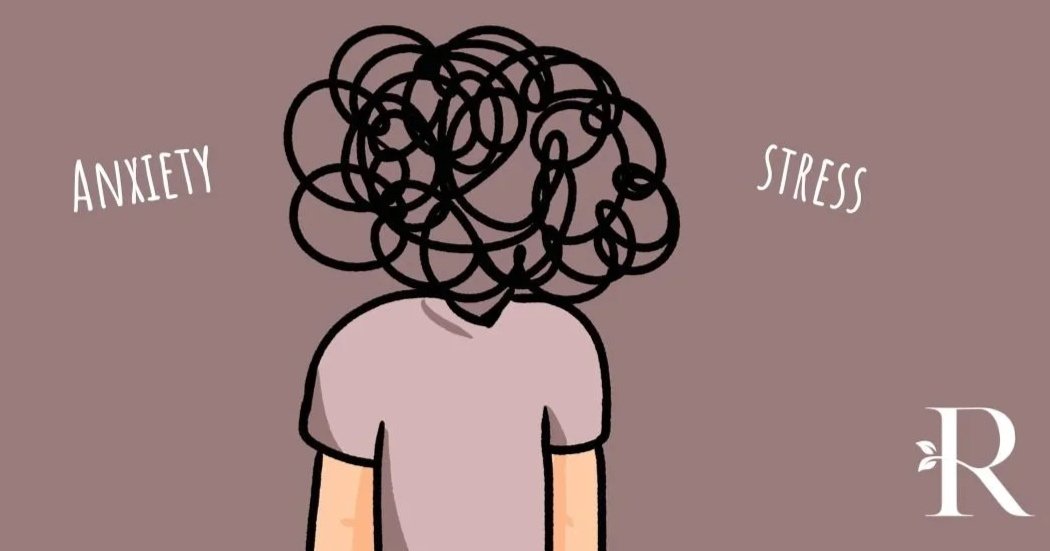
Understanding Anxiety vs. Normal Stress: When to Seek Help
Understanding the difference between normal stress and anxiety can help people recognize when additional support may be helpful.
Stress is a normal part of life.
Most people experience stress during busy seasons, major life transitions, work pressures, relationship challenges, parenting demands, or unexpected circumstances. In many cases, stress is temporary and connected to a specific situation.
But sometimes what we’re experiencing goes beyond everyday stress.
Anxiety can quietly become part of daily life without us fully recognizing how much it’s affecting our thoughts, emotions, physical health, and overall sense of well-being.
Understanding the difference between normal stress and anxiety can help people recognize when additional support may be helpful.
What Is Normal Stress?
Stress is often the body’s response to pressure or challenge. It can feel uncomfortable, but it usually has a clear cause and tends to ease once the situation improves or resolves. You might notice stress showing up as feeling overwhelmed, mentally exhausted, emotionally reactive, or physically tense during demanding periods of life. While difficult, stress is generally temporary and manageable.
When Stress Starts to Feel Like Anxiety
Anxiety is often more persistent.
Rather than coming and going with a specific situation, anxiety can create an ongoing sense of worry, tension, or unease, even during moments that appear calm from the outside.
Many people experiencing anxiety describe feeling constantly “on,” overthinking conversations or situations, struggling to relax, expecting worst-case scenarios, or feeling emotionally drained from carrying so much internally.
Anxiety can also affect the body. Difficulty sleeping, racing thoughts, muscle tension, digestive discomfort, restlessness, and feeling unable to slow down fully are all common experiences.
Over time, many people begin to normalize these feelings, telling themselves they are simply “busy,” “high functioning,” or “just stressed,” without realizing how much energy it takes to operate in a constant state of survival mode.
When Will Therapy Help?
One of the biggest misconceptions about therapy is that you need to be in crisis before reaching out for support. The reality is that therapy can be beneficial long before things feel unmanageable.
Therapy may help when stress feels constant, anxiety begins affecting daily life, emotional exhaustion becomes difficult to recover from, or you notice you no longer feel like yourself.
It can also provide space to understand patterns better, process emotions, improve coping strategies, and reconnect with a greater sense of balance and self-awareness.
A trauma-informed approach to therapy recognizes that our experiences, relationships, environments, and nervous systems all shape how we respond to stress and anxiety. Therapy is not about “fixing” you, but about creating a safe space to better understand yourself and build skills in a way that feels sustainable and compassionate.
You Don’t Have to Wait Until Things Get Worse
Many people wait until they feel completely overwhelmed before considering therapy. But support does not need to be earned through crisis.
Sometimes therapy begins because life feels heavy. Sometimes it begins because someone is tired of carrying everything alone. And sometimes it begins simply because a person wants to feel more grounded, connected, and supported.
All of those reasons are valid.
How Resilient Roots Counselling Can Help
If stress or anxiety has started to feel overwhelming, therapy can offer a space to slow down, feel supported, and better understand what you’re carrying.
At Resilient Roots Counselling, the approach is compassionate, trauma-informed, and centered around creating a safe environment where clients feel heard without judgment.
Whether you’re navigating chronic stress, anxiety, burnout, emotional overwhelm, life transitions, or simply feeling disconnected from yourself, therapy can help you build greater awareness, healthier coping strategies, and a stronger sense of balance moving forward.
You do not need to wait until things become unmanageable to deserve support.

How Therapy Can Help with Chronic Stress or Burnout
Chronic stress and burnout are increasingly common experiences, particularly among individuals balancing work, parenting, caregiving, education, or ongoing life demands. Many people continue to function outwardly while feeling internally depleted.
Burnout does not always present as a dramatic collapse. It often shows up gradually, as persistent fatigue, irritability, reduced motivation, difficulty concentrating, sleep disruption, or a sense of emotional numbness.
Chronic stress and burnout are increasingly common experiences, particularly among individuals balancing work, parenting, caregiving, education, or ongoing life demands. Many people continue to function outwardly while feeling internally depleted.
Burnout does not always present as a dramatic collapse. It often shows up gradually, as persistent fatigue, irritability, reduced motivation, difficulty concentrating, sleep disruption, or a sense of emotional numbness. Over time, chronic stress can affect both physical and emotional health.
Understanding Chronic Stress
When stress becomes constant, the nervous system remains in a prolonged state of activation. The body releases stress hormones such as cortisol and adrenaline to help manage short-term demands. However, when these stress responses remain elevated for extended periods, individuals may begin to feel wired but exhausted, overwhelmed yet unable to slow down.
Chronic stress can impact:
Sleep patterns
Mood regulation
Immune function
Digestive health
Memory and concentration
Interpersonal relationships
Burnout, in particular, is often characterized by emotional exhaustion, detachment, and a diminished sense of personal effectiveness.
How Therapy Supports Burnout Recovery
Therapy provides a structured and supportive space to understand what is contributing to ongoing stress and how it is affecting your nervous system, relationships, and overall well-being.
At Resilient Roots Counselling, evidence-based approaches are integrated to support individuals experiencing chronic stress or burnout.
These may include:
Cognitive Behavioural Therapy (CBT): CBT helps identify thought patterns that contribute to overcommitment, perfectionism, or self-criticism. By shifting unhelpful cognitive patterns, individuals can begin to reduce internal pressure and increase flexibility.
Acceptance and Commitment Therapy (ACT): ACT supports individuals in reconnecting with personal values while developing psychological flexibility. This can be especially helpful when individuals feel disconnected or overwhelmed by competing responsibilities.
Dialectical Behavioural Therapy (DBT) Skills: DBT-informed skills may be used to strengthen emotional regulation, distress tolerance, and interpersonal effectiveness — particularly when stress impacts relationships.
Motivational Interviewing (MI): For individuals feeling stuck, MI can support exploring ambivalence around change and building readiness to implement sustainable adjustments.
Accelerated Resolution Therapy (ART): In cases where burnout is compounded by unresolved trauma or chronic stress responses, ART may be integrated to help regulate the nervous system and reduce stored emotional intensity.
Rebuilding Capacity
Recovery from burnout is not about eliminating responsibility. It is about rebuilding emotional and physical capacity in a sustainable way.
Therapy may focus on:
Developing realistic boundaries
Evaluating workload and expectations
Strengthening self-compassion
Regulating the stress response
Improving sleep and restoration practices
Clarifying priorities
Most importantly, therapy provides space to slow down. Many individuals experiencing burnout have been prioritizing external demands for a prolonged period. The therapeutic space allows for recalibration.
You Don’t Need to Wait
You do not need to reach a crisis point to seek support. If stress feels constant, if rest does not restore you, or if you notice a growing sense of detachment or exhaustion, it may be helpful to speak with a professional.
Resilient Roots Counselling is currently accepting new clients in Calgary, offering both in-person and virtual sessions.
If you’re considering beginning therapy or would like to learn more, please reach out through the website.

What Is Therapy Like? What to Expect at Your First Counselling Session
Starting therapy can feel like a big step. For many people, it’s accompanied by curiosity, hope, and sometimes uncertainty or nervousness. If you’ve ever wondered, “what actually happens in therapy?” or “how do I know if this is right for me?” you’re not alone.
At Resilient Roots Counselling, we believe that understanding the process can make therapy feel more approachable and empowering. This blog post was designed to gently walk you through what therapy is like, what to expect in your first session, and how to prepare.
First, What Is Therapy?
Therapy is a collaborative, professional relationship focused on helping you better understand yourself, develop coping skills, and navigate challenges in a way that supports your mental and emotional well-being.
In Canada, psychotherapy and counselling are widely recognized as effective supports for concerns such as stress, anxiety, depression, trauma, chronic pain, relationship challenges, and personal growth. The Canadian Psychological Association (CPA) notes that psychotherapy helps individuals improve emotional regulation, thinking patterns, behaviours, and overall quality of life.
At Resilient Roots, therapy is not about “fixing” you. It’s about creating a safe, respectful space where your experiences are heard and where evidence-based tools are used to support meaningful change.
Common Anxieties Before the First Session
It’s completely normal to feel unsure before your first appointment. Some of the most common concerns we hear include:
“What if I don’t know what to say?”
“Will I be judged?”
“Do I have to talk about everything right away?”
“What if my problem isn’t big enough?”
Here’s what’s important to know. There is no right or wrong way to show up to therapy. You set the pace. You decide what feels comfortable to share. Therapy meets you where you are.
What Happens in Your First Session?
Your first session is often referred to as an intake or initial consultation. Its purpose is to begin building understanding and trust, not to dive into everything all at once.
During this session, your therapist will typically:
Ask about what brought you to therapy
Learn about your history, current concerns, and goals
Explain confidentiality, consent, and how therapy works
Discuss what approaches may be most helpful for you
This session is as much about you getting to know the therapist as it is about the therapist getting to know you. Feeling safe and comfortable is essential, and it’s okay if that takes time.
The Canadian Mental Health Association highlights that establishing trust and clarity early in therapy is a key factor in long-term success.
The Approaches Used at Resilient Roots Counselling
Resilient Roots Counselling uses evidence-based therapeutic approaches, meaning they are backed by research and clinical practice. Depending on your needs, therapy may include:
Accelerated Resolution Therapy (ART), a trauma-informed approach that helps the brain process distressing memories without requiring detailed verbal recounting.
Acceptance and Commitment Therapy (ACT), which focuses on psychological flexibility, values-based living, and reducing the struggle with difficult thoughts and emotions.
Cognitive Behavioural Therapy (CBT), which helps identify and change unhelpful thought patterns and behaviours.
Dialectical Behavioural Therapy (DBT), which supports emotional regulation, distress tolerance, and interpersonal effectiveness.
Motivational Interviewing (MI), a collaborative approach that strengthens motivation and readiness for change.
Sessions are personalized, and approaches are often blended to best support your goals. In addition, Resilient Roots works collaboratively with a nurse practitioner when medication support or psychiatric assessments are appropriate, ensuring a well-rounded and integrated approach to care.
How to Prepare for Your First Session
You don’t need to prepare anything perfectly. However, some people find it helpful to reflect on:
What prompted you to seek therapy now
What you’re hoping might change or feel different
Any questions you have about the process
You’re also welcome to bring notes, thoughts, or simply arrive as you are. There is no expectation to have everything figured out.
What Comes Next?
After your initial appointment, you and your therapist will discuss next steps. This may include:
Frequency of sessions
Areas of focus
Short- or long-term goals
Adjusting the approach as your needs evolve
Therapy is not linear. Progress can look like insight, relief, emotional release, skill-building, or simply feeling less alone. All of it matters.
A Gentle Reminder
Seeking therapy is not a sign of weakness. It’s a sign of self-awareness, strength, and care.
At Resilient Roots Counselling, we offer a grounded, compassionate space to explore what’s beneath the surface and build the resilience needed to move forward, at your pace and on your terms.
If you’re considering therapy and have questions, you’re always welcome to reach out or explore our services.
You don’t have to do this alone.

At Resilient Roots Counselling, we believe understanding the process helps therapy feel more approachable. This blog walks you through what happens in therapy, what to expect during your first session, and how to prepare, so you can arrive feeling informed and supported.